INTRODUCTION
The Toyota Fortuner has built a reputation over the years as one of the most trusted and capable full-size SUVs in many markets around the world. Known for its rugged construction, powerful engine options, and excellent reliability, the Fortuner continues to attract buyers who prioritize durability and long-term ownership experience. As excitement grows around the upcoming 2026 Fortuner facelift, enthusiasts and potential buyers have been eagerly discussing what changes Toyota could bring to its popular SUV.
While the facelift is expected to introduce several styling updates, feature enhancements, and technology improvements, one topic has sparked considerable debate among fans: the continued absence of a sunroof. According to reports and industry discussions, Toyota is not expected to offer a sunroof in the 2026 Fortuner facelift, a decision that has left some buyers disappointed, especially at a time when even smaller and more affordable vehicles are increasingly equipped with panoramic sunroofs.
The Growing Demand for Sunroofs
In recent years, sunroofs have become one of the most sought-after features in the automotive market. What was once considered a luxury feature reserved for premium vehicles is now available in a wide range of SUVs, sedans, and even compact crossovers. Buyers often associate a sunroof with a premium ownership experience, and many consider it an essential feature when comparing vehicles in the same price segment.
The popularity of panoramic sunroofs has grown significantly because they create a sense of openness inside the cabin. They allow more natural light to enter the vehicle and can make the interior feel larger and more inviting. For families and younger buyers, a sunroof often adds an emotional appeal that influences purchasing decisions.
As a result, many competing SUVs now offer either a standard sunroof or a large panoramic glass roof. This trend has led some Fortuner enthusiasts to question why Toyota continues to avoid including one in its flagship ladder-frame SUV.

Toyota’s Different Approach
Toyota has traditionally taken a conservative approach when it comes to adding features. Rather than chasing every market trend, the company tends to focus on reliability, practicality, and long-term durability. This philosophy has played a major role in the success of vehicles such as the Fortuner, Hilux, and Land Cruiser.
From Toyota’s perspective, the Fortuner’s core strengths lie elsewhere. Buyers have historically chosen the SUV for its robust chassis, strong off-road capability, dependable powertrain, and high resale value. Features like ground clearance, towing capability, and mechanical reliability often take precedence over luxury-oriented additions.
Industry observers believe that Toyota may have decided that maintaining structural strength and minimizing complexity are more important than adding a sunroof. While modern sunroof systems are generally reliable, they do introduce additional components, including motors, tracks, drainage systems, and seals. Over time, these parts may require maintenance, particularly in regions that experience extreme weather conditions.
What the 2026 Facelift Is Expected to Bring
Although the lack of a sunroof has become a major talking point, the 2026 Fortuner facelift is expected to receive a number of meaningful updates in other areas.
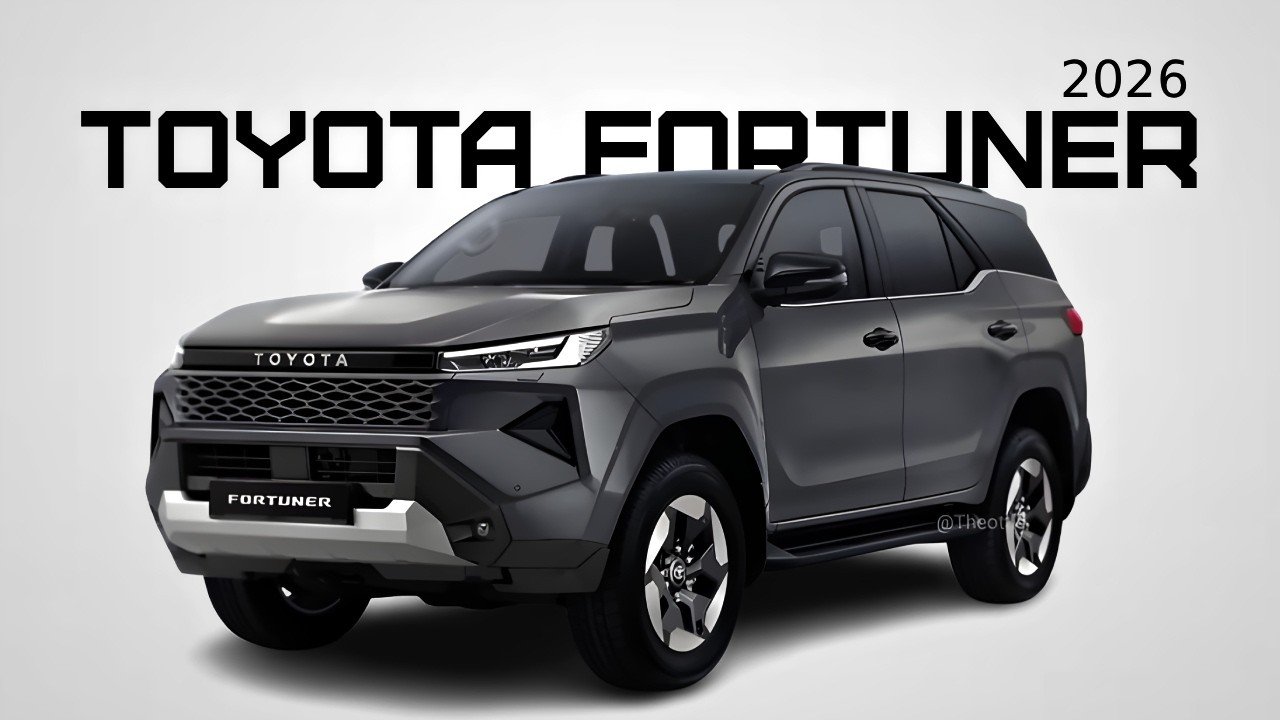
Exterior revisions are likely to include a redesigned front grille, updated LED lighting elements, revised bumpers, and fresh alloy wheel designs. Toyota may also introduce new color options to help distinguish the facelifted model from its predecessor.

Inside the cabin, buyers can expect improvements in technology and convenience features. A larger infotainment display, enhanced smartphone connectivity, improved voice commands, and a more modern user interface are among the upgrades that could be introduced. Premium materials and updated interior trim options may also help elevate the cabin experience.
Safety is another area where Toyota is expected to make improvements. Advanced driver-assistance systems continue to become more common across the industry, and the facelifted Fortuner could benefit from additional active safety technologies designed to improve driver confidence and occupant protection.
Why Some Buyers Are Frustrated
The disappointment surrounding the missing sunroof is understandable when considering the price point of the Fortuner. In many markets, the SUV competes in a segment where buyers expect a comprehensive list of premium features.
Customers spending a significant amount of money on a vehicle often compare specifications closely. When rival models offer panoramic sunroofs, ventilated seats, premium audio systems, and other luxury-oriented features, the absence of a sunroof can become a noticeable omission.
For some buyers, the issue is not necessarily about using the sunroof regularly. Instead, it is about perceived value. A vehicle positioned as a premium SUV is expected to include the features commonly found in similarly priced alternatives. When a feature is missing, some customers may feel that the vehicle is falling behind changing market expectations.

Social media discussions and automotive forums frequently highlight this concern. Many enthusiasts appreciate the Fortuner’s strengths but believe Toyota should modernize the feature list to remain competitive in an increasingly crowded segment.
The Fortuner’s Loyal Fan Base
Despite criticism regarding the missing sunroof, the Fortuner continues to enjoy a loyal following. Many owners argue that the SUV’s appeal has never depended on luxury features alone.
Long-distance travelers appreciate its comfortable ride and dependable performance. Adventure enthusiasts value its off-road capabilities and rugged engineering. Families often praise its spacious interior and reputation for reliability.
For these buyers, a sunroof ranks relatively low on the list of priorities. They would rather have proven mechanical durability than additional features that could increase maintenance costs over time.
This perspective reflects the Fortuner’s unique position in the market. Unlike many urban-focused SUVs, the Fortuner continues to attract customers who use their vehicles in challenging environments, including rough roads, remote areas, and demanding weather conditions.

Market Expectations Are Changing
Even so, consumer preferences are evolving. Modern SUV buyers increasingly expect a balance between toughness and luxury. They want vehicles that can handle difficult terrain while also providing the comfort and convenience features found in premium crossovers.
Manufacturers across the industry have responded by expanding their feature offerings. Large touchscreens, digital instrument clusters, connected car technologies, wireless charging systems, and panoramic sunroofs are becoming increasingly common.
Toyota faces the challenge of maintaining the Fortuner’s traditional strengths while adapting to changing customer expectations. Striking the right balance is not always easy, especially when the brand’s reputation has been built on simplicity and durability.
The reaction to the missing sunroof highlights how much buyer priorities have shifted in recent years. Features that were once considered optional luxuries are now viewed by many consumers as standard expectations.
Will Toyota Change Its Mind in the Future?
While current reports suggest that the 2026 Fortuner facelift will continue without a sunroof, future generations of the SUV could take a different direction. Automotive manufacturers constantly monitor customer feedback, sales trends, and competitive pressures when planning future products.

If demand for a sunroof continues to grow and competitors gain an advantage through more extensive feature lists, Toyota may eventually reconsider its strategy. Future Fortuner models could potentially introduce either a conventional sunroof or a panoramic roof system if market conditions support such a move.
For now, however, Toyota appears focused on refining the SUV’s existing strengths rather than fundamentally changing its character.
Conclusion
The absence of a sunroof in the 2026 Toyota Fortuner facelift is likely to disappoint some buyers who were hoping for a more feature-rich update. In an era where panoramic sunroofs have become a symbol of modern SUV luxury, Toyota’s decision stands out and has generated considerable discussion among enthusiasts.
However, the Fortuner’s identity has always been rooted in reliability, durability, and capability rather than flashy features. While some potential customers may view the missing sunroof as a drawback, many loyal owners will continue to value the qualities that have made the SUV successful for years.
Ultimately, the 2026 Fortuner facelift appears set to follow Toyota’s familiar formula: improving the vehicle where it matters most while staying true to the rugged DNA that has earned the Fortuner a dedicated global fan base. Whether that approach satisfies modern buyers remains to be seen, but one thing is certain—the debate over the missing sunroof is unlikely to end anytime soon.